

You know the website needs work, but not where to start
Different people suggest a redesign, more SEO, new copy or paid traffic. The audit separates the issues that need attention now from changes that can wait.
A Samsoom website audit shows where customers meet confusion, friction or missing reassurance before you spend on another redesign, campaign or round of disconnected changes.
When an audit helps
A website can look acceptable and still make important decisions difficult. An audit connects the visible customer experience with the technical signals behind it.
Different people suggest a redesign, more SEO, new copy or paid traffic. The audit separates the issues that need attention now from changes that can wait.
Important services, proof, contact routes or booking actions may be present without forming a clear path from first visit to decision.
Navigation, forms, tap targets, page length or layout can make a reasonable desktop experience difficult on the device customers may use first.
A prioritised assessment helps distinguish focused improvements from a replacement project or a larger migration.
What the audit covers
Automated checks can expose useful signals. The audit connects those signals to what a customer can understand, trust and do on the agreed public pages.
Headlines, service descriptions, page structure and supporting detail are checked for clarity, specificity and fit with the decisions customers need to make.
Navigation, internal links, calls to action, contact routes and common dead ends are assessed across the agreed pages.
Responsive layout, tap targets, headings, labels, alternative text, focus behaviour and obvious contrast issues are checked as indicators, not as a conformance certification.
Titles, descriptions, headings, internal links, canonicals, indexation signals, structured data and obvious crawl issues are assessed without promising rankings.
Page weight, loading behaviour, layout stability, broken links and visible browser problems are reviewed on the agreed public journeys.
Business identity, proof, contact information, forms and decision boundaries are checked for gaps that may create hesitation or an unclear handoff.
How findings are prioritised
The report groups findings by customer impact, risk and effort. It also records what is already working so a future change does not remove it by accident.
Fix first
Problems that break an important journey, hide the next action, expose inaccurate information or create a material trust or indexation issue.
Plan next
Content, design or technical changes that could improve the journey but need an agreed scope, evidence or implementation approach.
Monitor
Items where analytics, Search Console, field performance data or customer evidence is needed before a larger decision is justified.
Keep
Clear content, working journeys, trusted proof and technical foundations that should survive any repair, redesign or replacement.
Selected work
Three approved examples, with live work and work in progress clearly separated.
View all selected work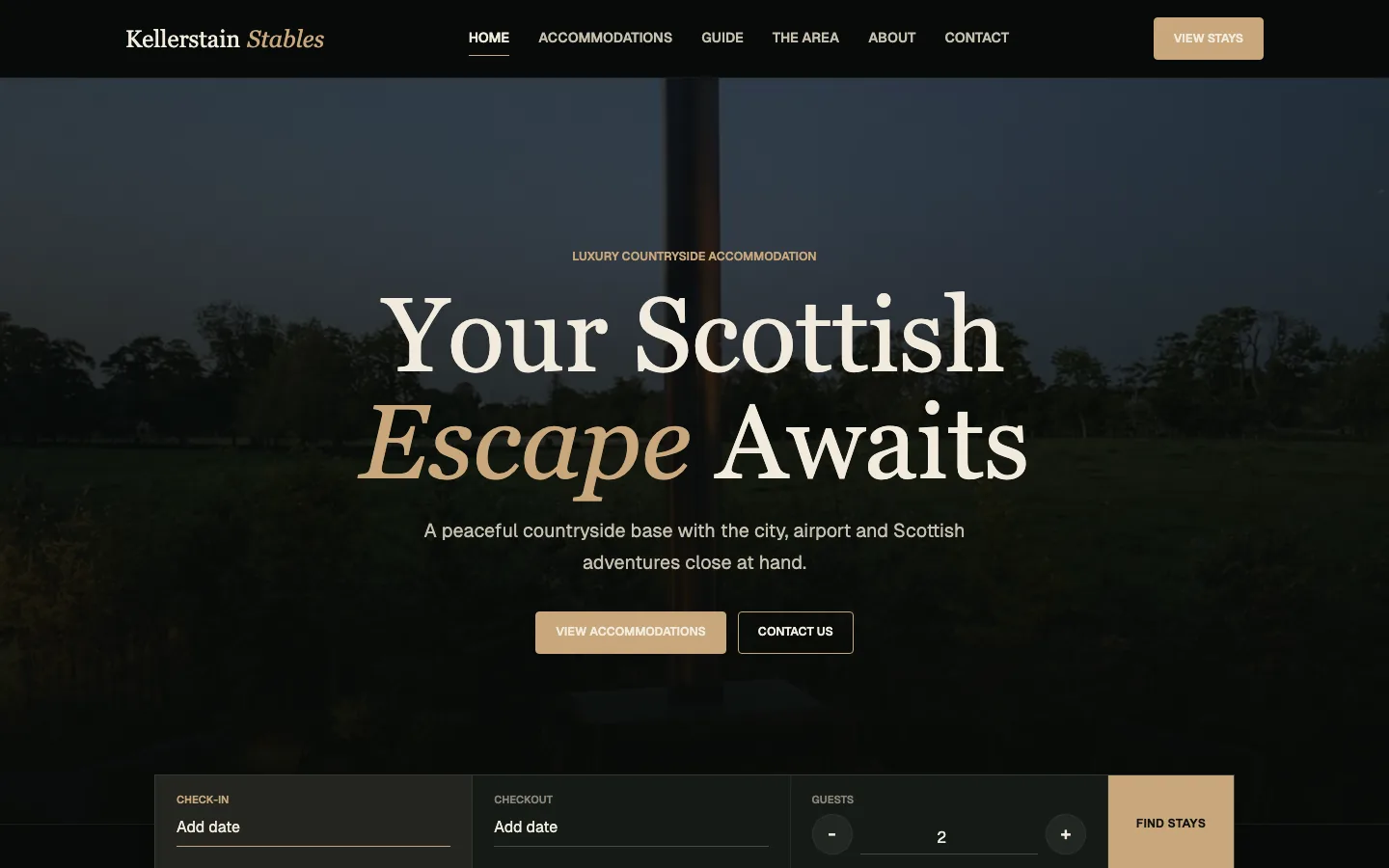
Hospitality website
A public hospitality website designed to help guests explore accommodation, check live availability and continue into a direct-booking journey.
View case study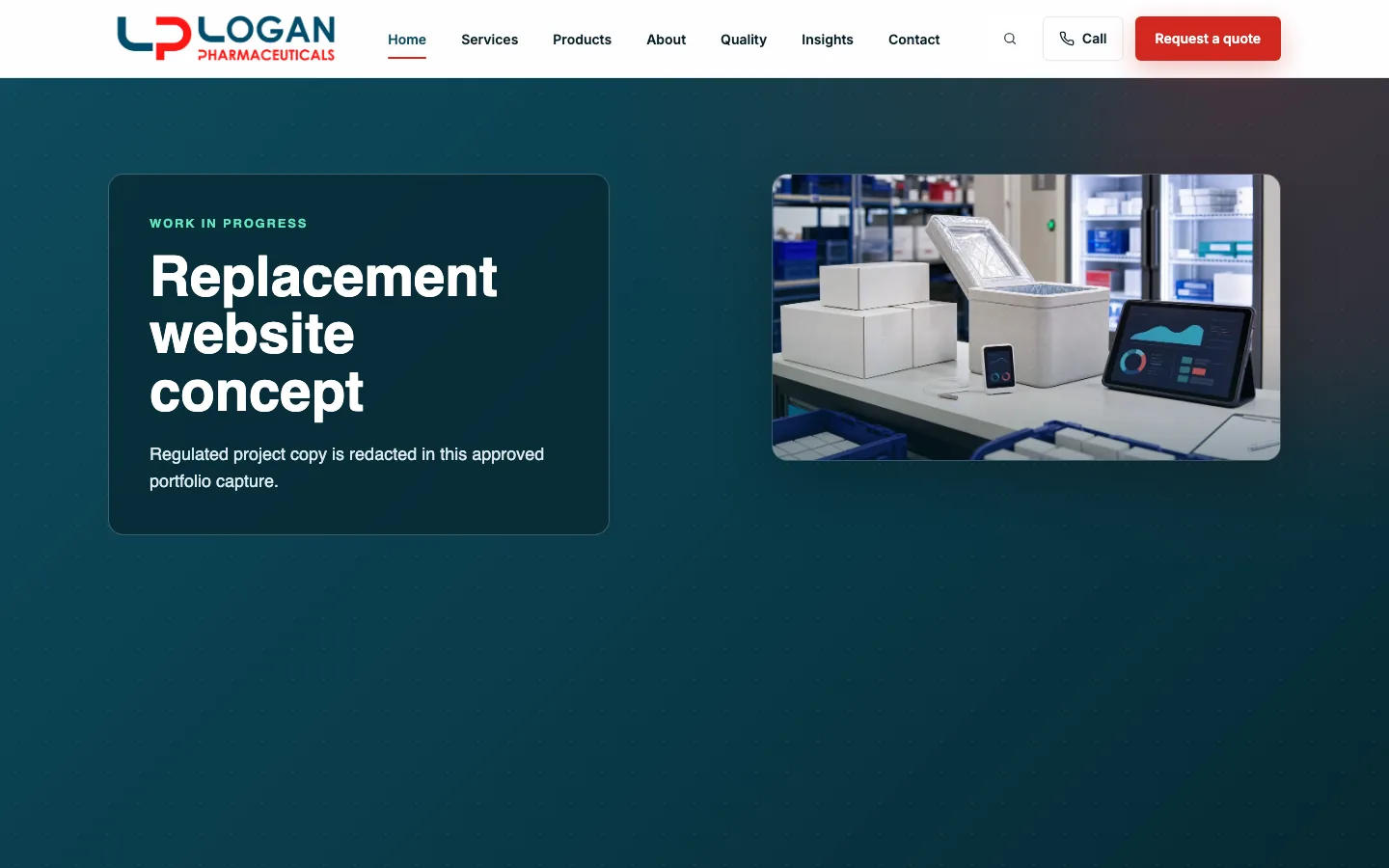
Pharmaceutical website concept
A regulated B2B replacement-site concept focused on clearer information architecture, service discovery and direct enquiries. It is separate from Logan Pharmaceuticals' current public WordPress site and has not been launched.
View case study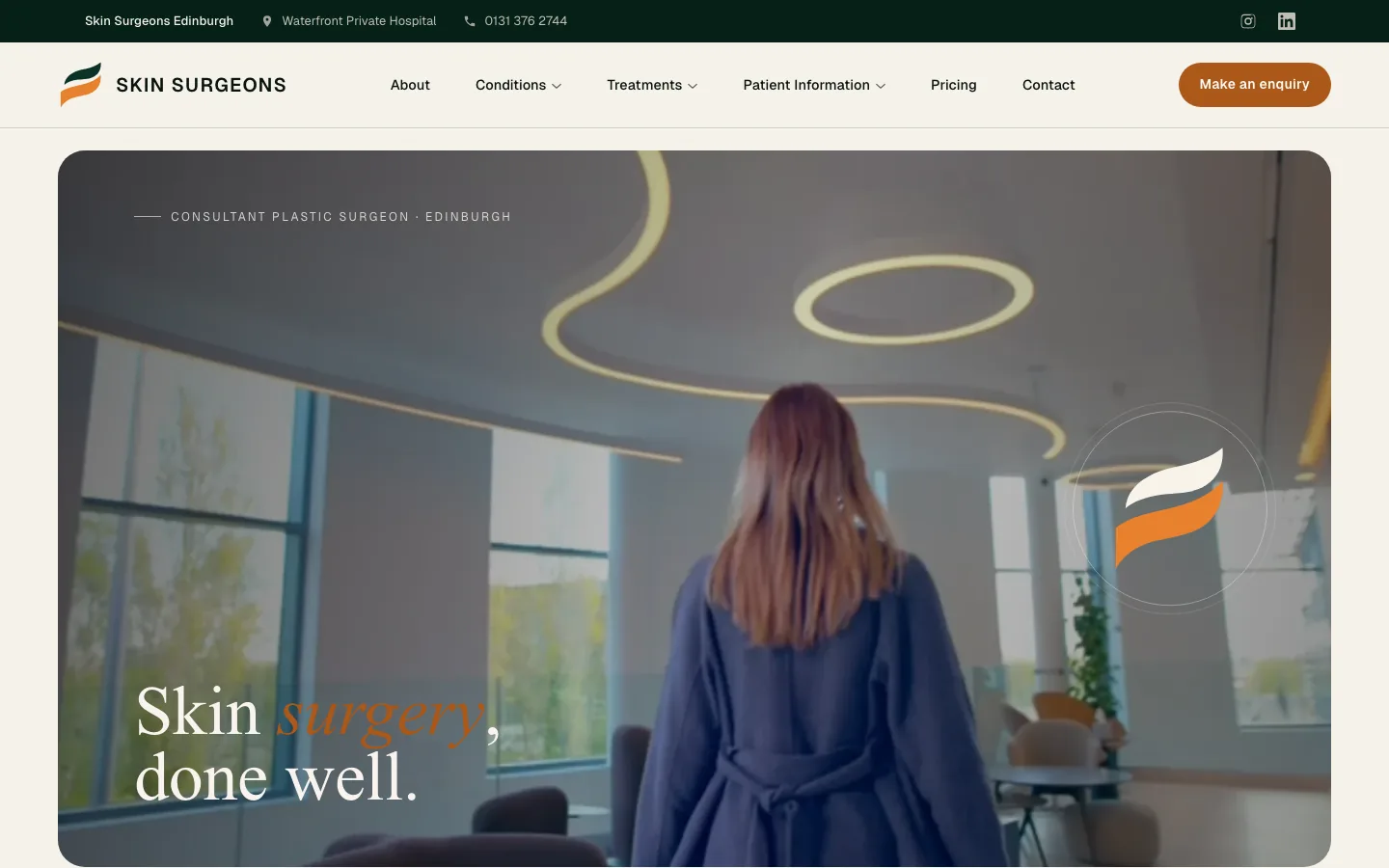
Private healthcare website
A live consultant-led healthcare website structured around treatment discovery, patient information and enquiries.
View case studyWhat you receive
The audit is diagnosis, not a disguised commitment to rebuild. Scope and price are agreed after the public site and required depth are understood.
Each area records what is working, what needs attention and the evidence behind the finding.
Screenshots and route references show where the issue appears and why it matters to the customer journey.
The report separates immediate fixes, planned improvements, items to monitor and useful parts to retain.
The conclusion explains whether focused work appears sufficient or whether a replacement or separately scoped migration deserves consideration.
Audit boundaries
The standard audit uses agreed publicly accessible pages. Additional evidence or specialist testing is scoped separately when the decision requires it.
Website-admin, hosting, analytics or Search Console access is not assumed. Private data can be considered later only when it is necessary and explicitly agreed.
Use the report yourself, give it to an existing supplier or request a separate Samsoom scope for suitable improvements.
The review can flag visible accessibility issues, but it is not a formal WCAG evaluation, legal opinion or accessibility certification.
Penetration testing, vulnerability assessment, legal compliance and regulated-content approval are outside the normal website-audit scope.
After the audit
The report belongs to the business. The next action depends on what the evidence supports, not on forcing every website into a rebuild.
Improve
When the structure and technology remain useful, a focused content, design or technical scope may be the sensible route.
Discuss focused improvementsReplace
When the existing site no longer supports the business, continue to the replacement decisions and migration boundaries.
Explore website replacementManaged
A focused replacement of up to five core pages may fit the Managed Website after the audit boundary is understood.
See the managed offerWebsite audit questions
These answers keep the diagnostic, implementation and specialist-assurance boundaries clear.
It is a structured assessment of agreed public website journeys. The Samsoom audit connects customer clarity, navigation, mobile usability, trust, conversion routes, search foundations, accessibility indicators and technical health to a prioritised action plan. It then shows whether focused repair, planned improvement or replacement deserves consideration.
No. Search foundations are one part of the assessment. A technically indexable page can still be unclear or difficult to use, while a polished page can still have weak metadata, internal links or indexation signals.
Not for the initial public-site audit. Website-admin, analytics, Search Console or hosting evidence can be considered only when it would materially improve the agreed assessment and access is approved.
You receive a written scorecard, annotated findings, a prioritised action plan and a direction on whether focused improvement, repair or replacement deserves consideration.
No. Implementation is separate. You can use the report internally, share it with an existing supplier or ask Samsoom to quote suitable improvements.
The number of public pages and the depth required are agreed before work begins, then the audit is quoted in writing. There is no checkout or charge until the scope is clear.
No. The standard audit can flag visible accessibility indicators and technical concerns, but it is not a formal WCAG conformance evaluation, penetration test, vulnerability assessment, legal opinion or certification.
The audit identifies issues and prioritises possible improvements. It cannot guarantee rankings, traffic, leads, enquiries, revenue or another business outcome.
Clearer priorities
Start with the public customer journey. The audit scope and price are confirmed before work begins, and implementation remains a separate decision.